
Habitable zones
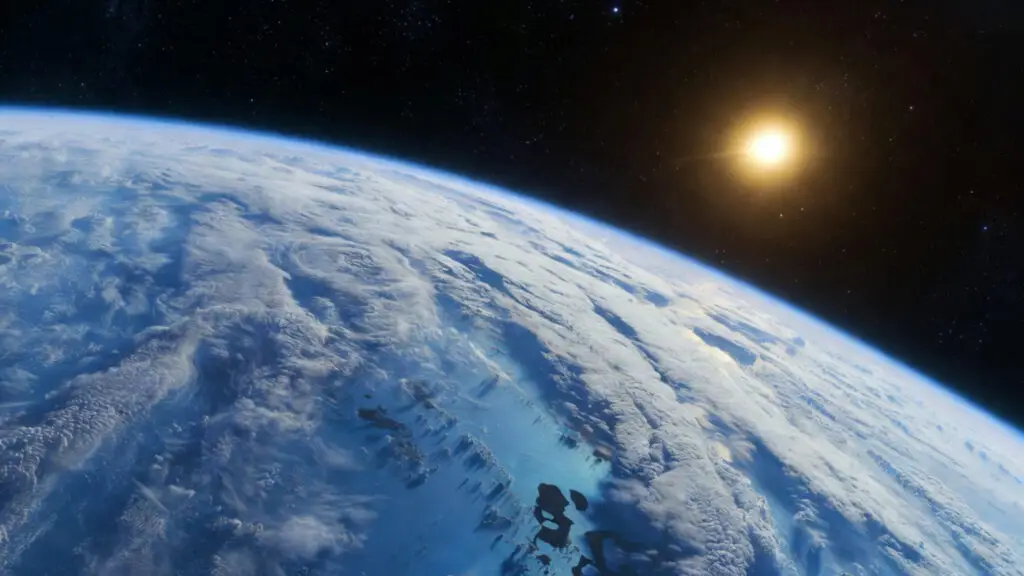
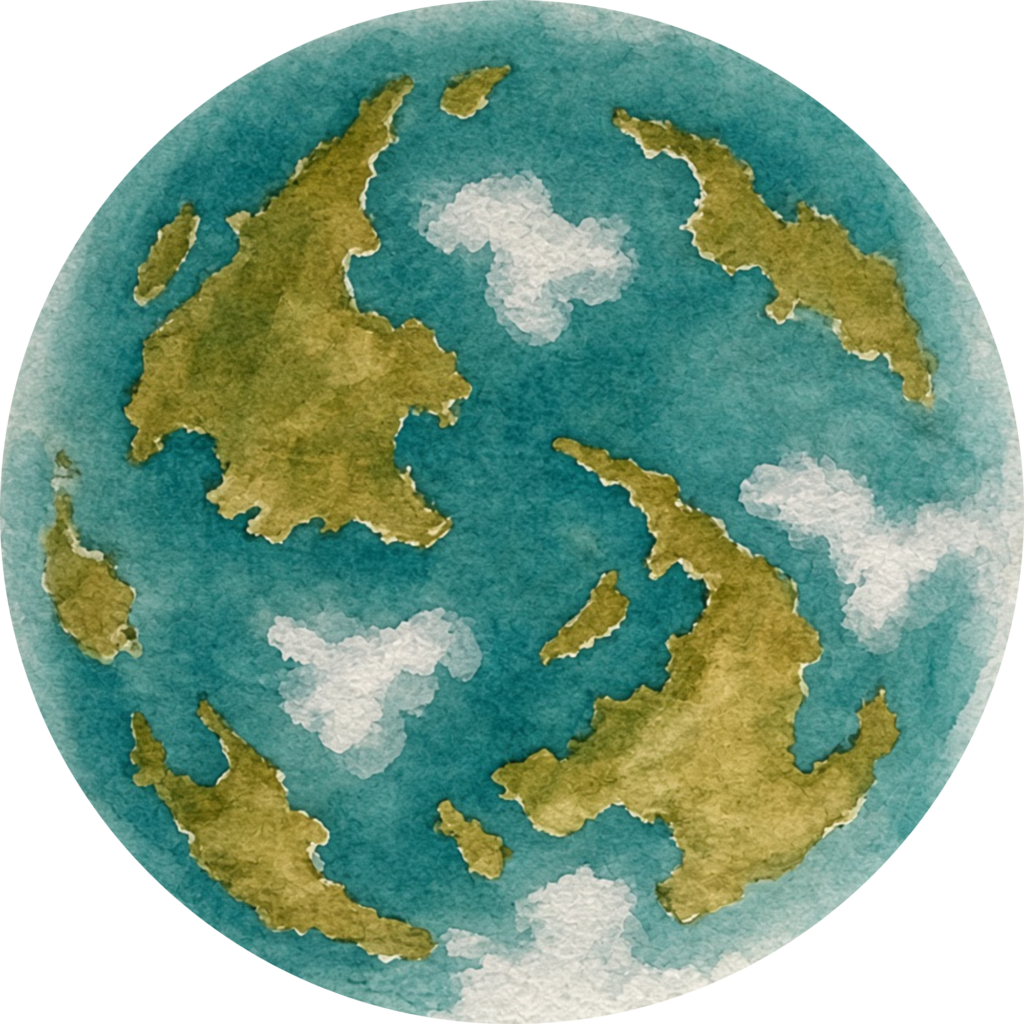
The "Goldilocks zone" around a star—not too hot, not too cold—where liquid water could exist on a planet's surface. This is where we hunt for worlds that might support life, just like Earth!
Earth-sized
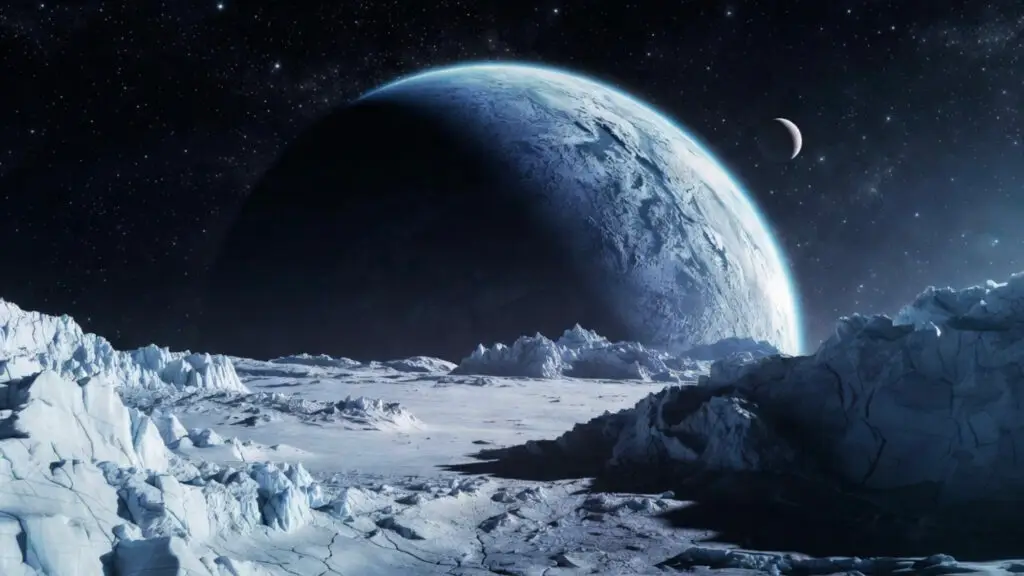
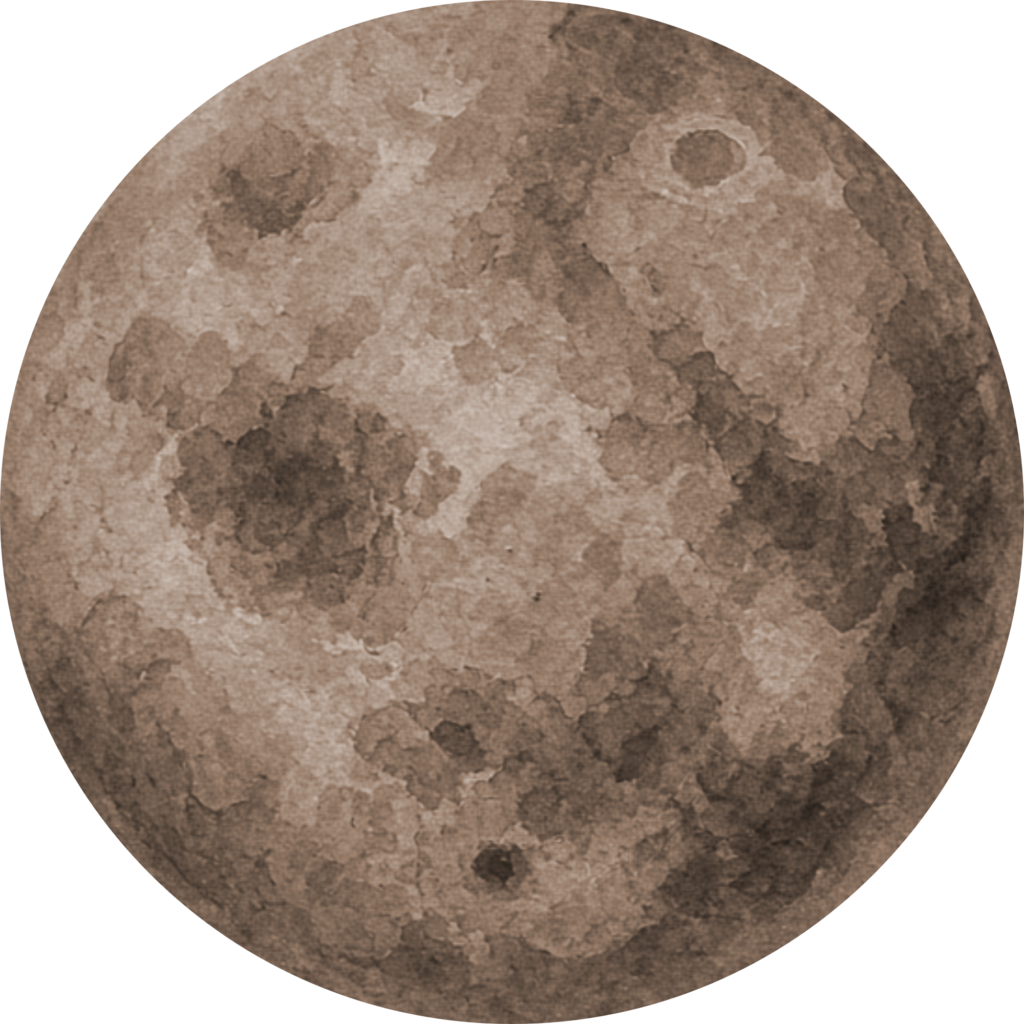
These rocky planets are about the same size as Earth—perfect for imagining mountains, oceans, or even life! Many orbit distant stars, and some could be just right for liquid water. Over 200 discovered so far!
Gas Giants
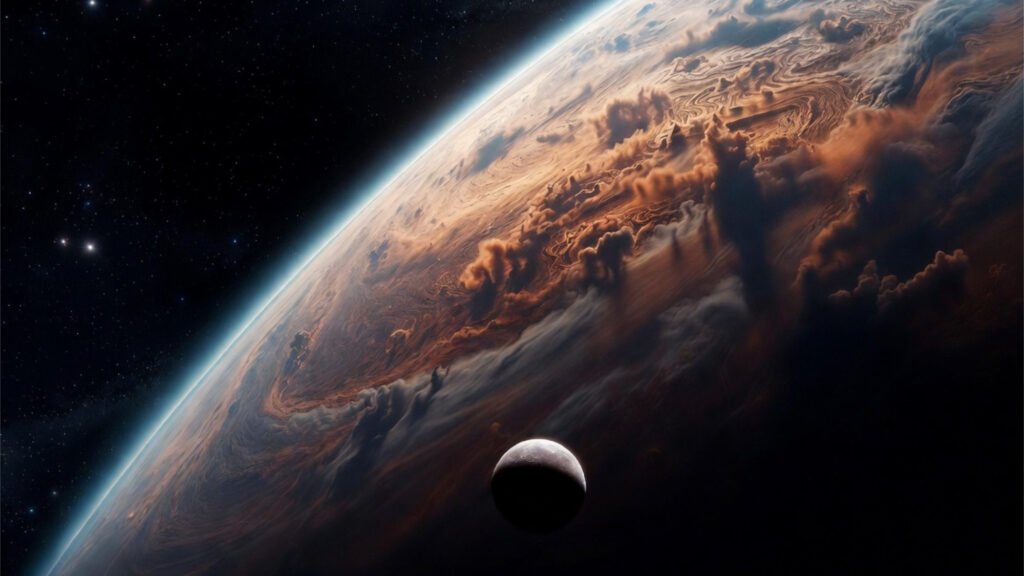
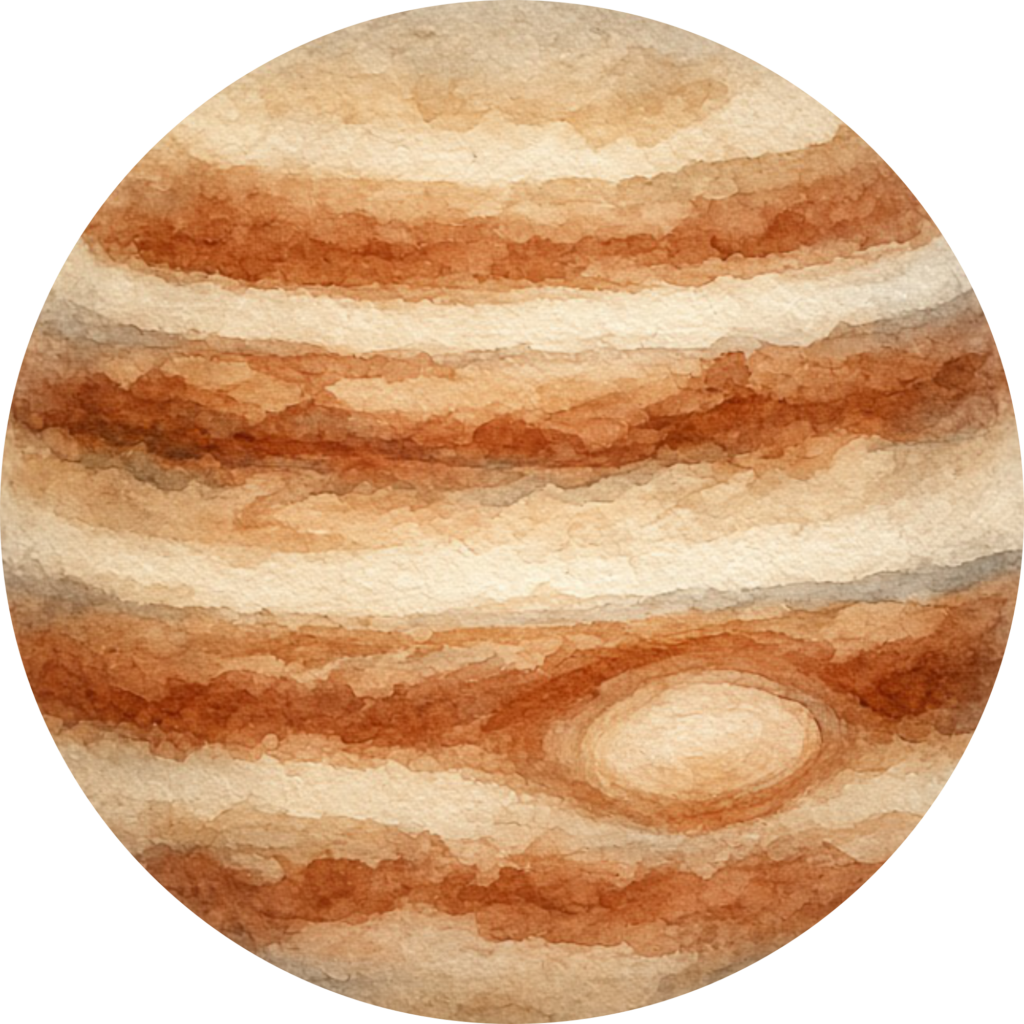
Massive gas giants like Jupiter, but taken to the extreme—some scorch close to their stars with molten glass rain and 5,000 mph winds, others puff up like balloons from heat, and a few drift alone in the void with no star at all. The first exoplanets ever discovered were in this class!
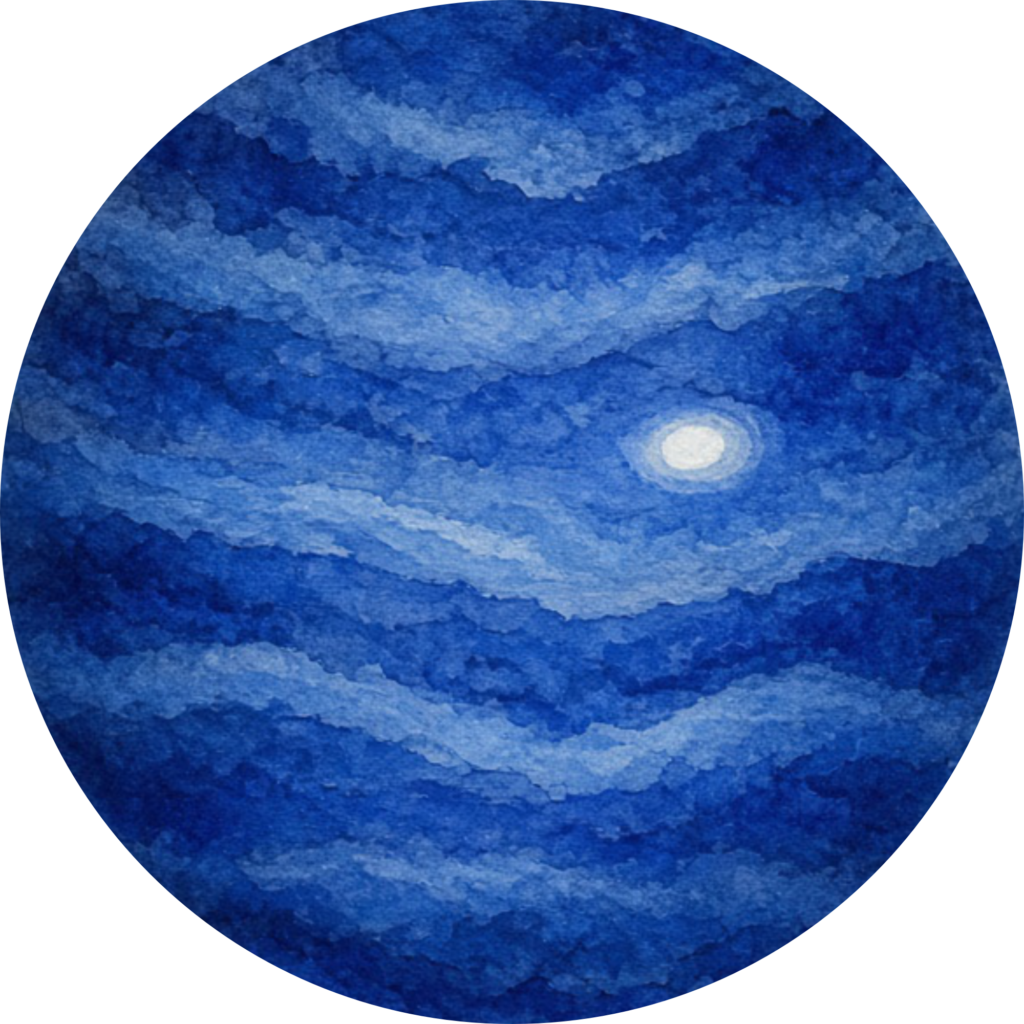
Ice Giants
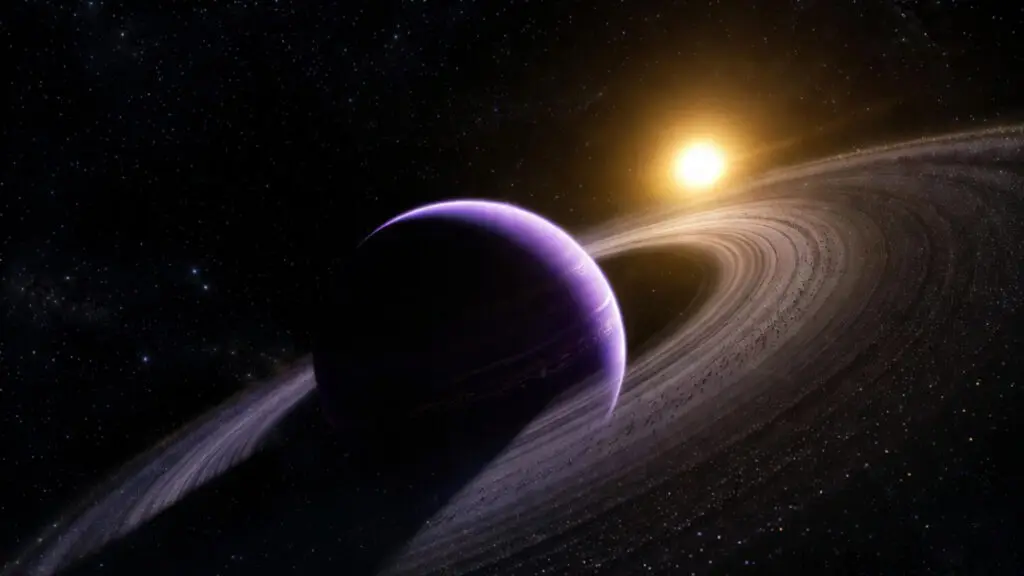
Neptune-class worlds of ice, gas, and wild weather. Some orbit so close their atmospheres stream off like comet tails. Others sit farther out, cold and blue, closer to the ice giants in our own backyard.
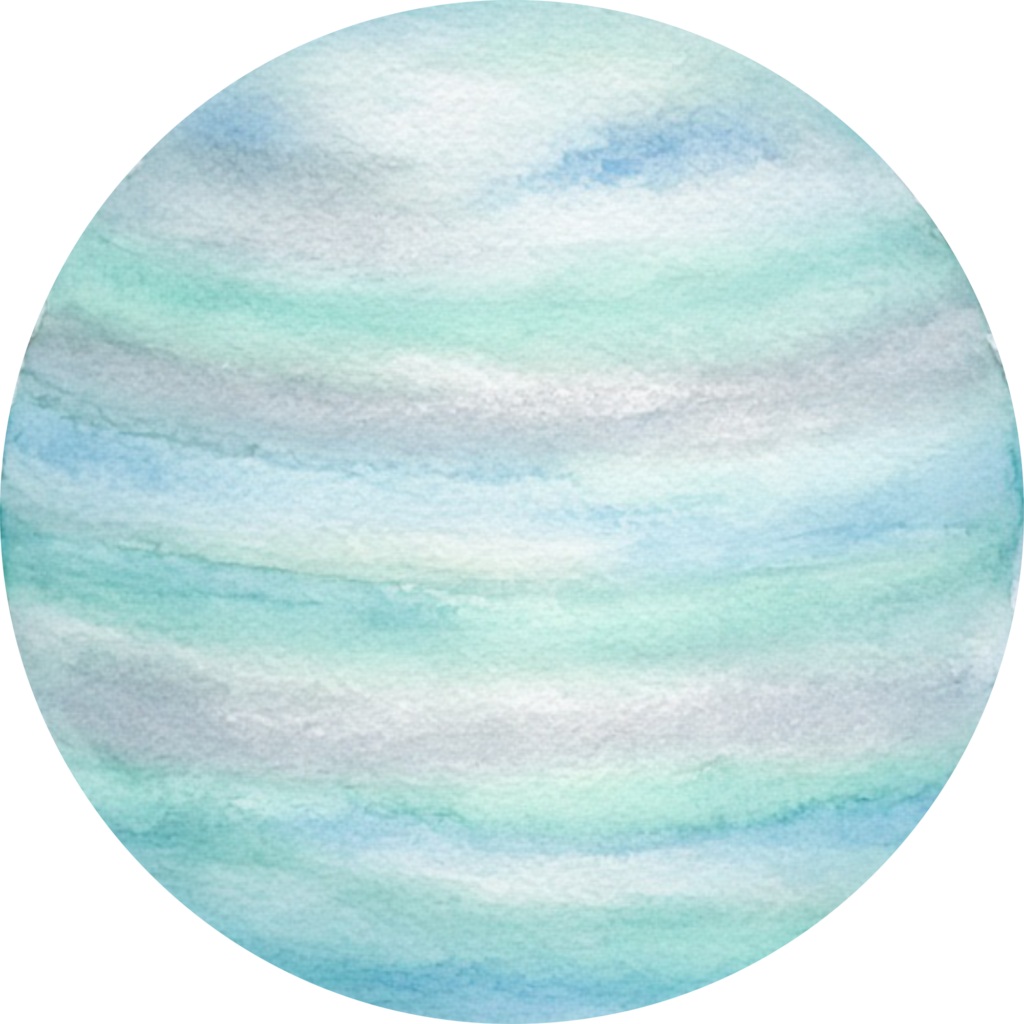
Sub-Neptunes
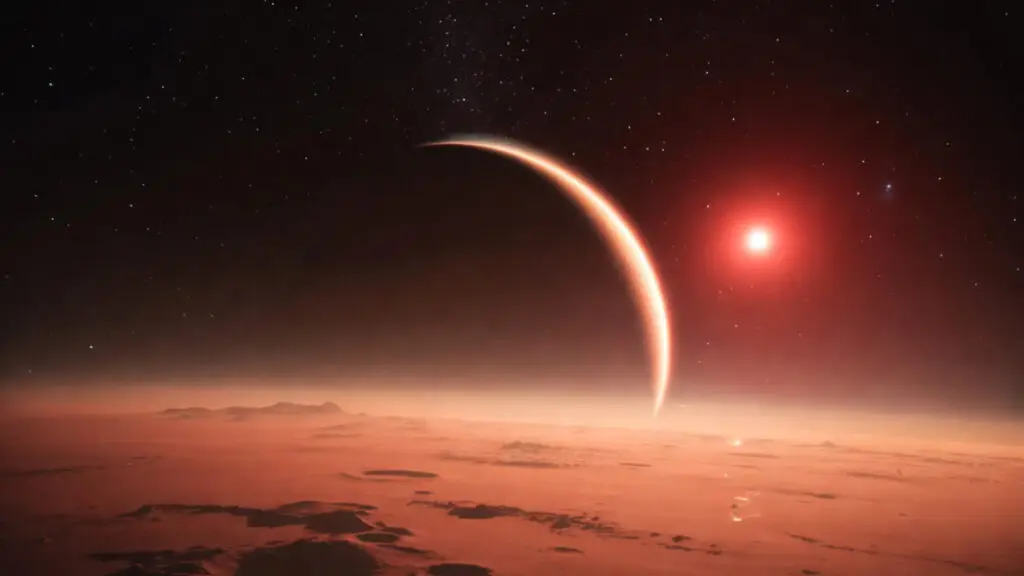
Worlds bigger than Earth and smaller than Neptune — the most common size we keep finding, and the hardest to picture. Thick skies, possible water layers, and hazy envelopes hide what’s underneath. They’re the missing middle of the planetary family.